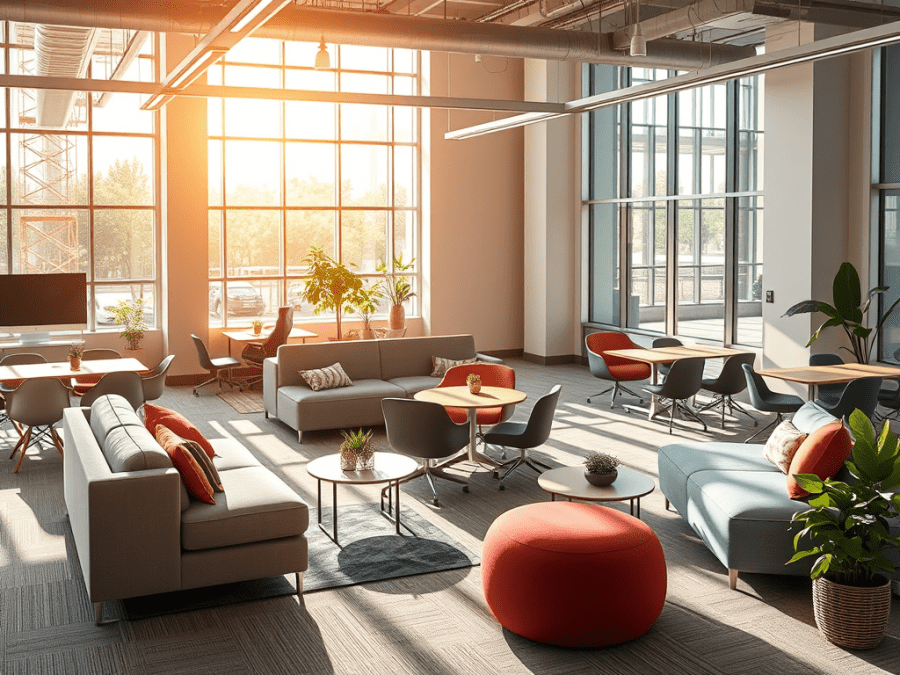
The workplace has undergone a profound transformation in recent years. The traditional model of rigid desks and cubicles is being replaced by more dynamic environments that prioritize flexibility, collaboration, and employee well-being. Breakout office furniture plays a crucial role in this evolution, providing spaces that go beyond conventional workstations and support a variety of professional needs.
What Is Breakout Office Furniture?
Breakout office furniture refers to the furnishings and setups designed for informal, multi-purpose areas within offices. These spaces are not limited to traditional meeting rooms or fixed desks. Instead, they offer employees an alternative environment for activities such as brainstorming sessions, quick catch-ups, or simply taking a break from focused work.
Common examples include modular sofas, collaborative tables, beanbags, acoustic pods, or high stools placed around standing desks. The goal is to create a welcoming and flexible area that encourages communication and innovation.
Why Breakout Spaces Matter
Offices are no longer just places to complete tasks. They have become ecosystems where creativity, collaboration, and productivity intersect. Breakout office furniture addresses this need by bridging the gap between work and relaxation.
Such spaces can provide a variety of benefits, including:
- A more relaxed environment that encourages spontaneous idea-sharing.
- An opportunity for employees to recharge and manage stress.
- Support for flexible working styles, including hybrid teams.
- Enhanced company culture through informal interactions.
- Practical adaptability for both small discussions and larger team activities.
By integrating these spaces, organizations foster an environment that balances efficiency with comfort.
Key Features of Breakout Furniture
Choosing breakout office furniture involves more than selecting stylish pieces. It requires careful consideration of functionality and adaptability. Some of the most important features include:
- Ergonomic designs that prioritize comfort without sacrificing productivity.
- Modular elements that can be easily rearranged depending on the activity.
- Durable materials that withstand frequent use.
- Integration of technology such as power outlets or USB ports.
- Acoustic solutions to minimize distractions in open spaces.
These aspects ensure that breakout areas are not only visually appealing but also practical and long-lasting.
Trends Shaping Breakout Spaces
As workplace culture continues to evolve, so too does the design of breakout furniture. Companies are increasingly focusing on sustainability, incorporating eco-friendly materials and natural finishes. Biophilic design elements, including greenery and natural light, are becoming common features, creating spaces that promote calmness and focus.
Technology integration is also a key trend. Furniture designed to accommodate virtual meetings and hybrid collaboration reflects the growing importance of flexibility in modern work.
For additional perspectives on how these spaces are reshaping offices, see:
https://moderaterisk.net/modern-breakout-office-furniture-transforming-workspaces-for-collaboration-and-creativity/
The Role of Breakout Furniture in Company Culture
Beyond aesthetics and functionality, breakout office furniture has a strong impact on organizational culture. By creating zones that encourage casual interactions, companies can break down hierarchical barriers and foster inclusivity. Employees feel more comfortable sharing ideas in an informal setting, which can lead to greater creativity and innovation.
These spaces also highlight a company’s commitment to employee well-being. Providing areas for relaxation and collaboration demonstrates recognition that productivity is not solely about time spent at a desk.
Conclusion
Breakout office furniture is more than just a design trend—it reflects the shift toward workplaces that prioritize flexibility, collaboration, and human connection. By combining functionality with comfort, these spaces empower employees to work more effectively while also supporting their well-being.
As organizations continue to embrace hybrid work models and innovative office layouts, breakout furniture will remain an essential component of the modern workplace. It creates a balance between structure and freedom, turning the office into a space where people not only work but also thrive.
 Furniturea