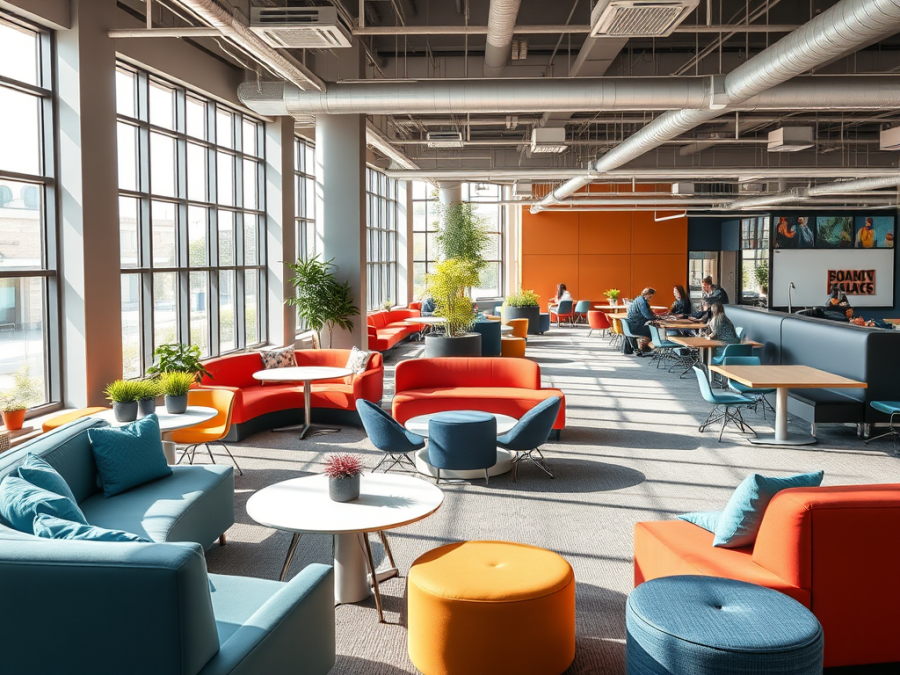
In today’s fast-paced business environment, flexibility is essential. Companies are constantly looking for ways to enhance employee productivity, creativity, and well-being. One of the most effective ways to achieve this is through the design and use of breakout office furniture. Breakout spaces, also known as collaborative spaces, provide employees with a break from the traditional desk setup, offering an environment for informal meetings, brainstorming sessions, or simply a moment of relaxation. This shift in office design is more than just a trend; it’s a strategic move toward creating a workplace that supports the modern work culture.
What is Breakout Office Furniture?
Breakout office furniture refers to a variety of furnishings designed for informal spaces within a workplace, specifically intended for collaboration, relaxation, or quick, creative work. These spaces are typically different from the more traditional, static office setup where desks and cubicles dominate. Instead, breakout areas are meant to encourage flexibility and movement, fostering spontaneous interactions and ideas. The furniture used in these spaces is often modular, adaptable, and comfortable, ensuring it meets the needs of diverse tasks and workstyles.
Common types of breakout office furniture include:
- Modular seating: Flexible, movable seating arrangements that allow employees to reconfigure the space as needed. These can include couches, armchairs, and benches that encourage collaboration or individual work.
- Collaborative tables: Larger tables or workstations where groups of people can gather, often equipped with technology to facilitate discussion, brainstorming, or quick team meetings.
- Lounge furniture: Comfortable chairs or sofas that promote relaxation and informal conversations. These pieces are designed to create a comfortable and inviting atmosphere for employees to recharge.
- Standing desks and high tables: These allow for more dynamic interactions, encouraging people to stand or move around during meetings, which can help promote energy and creativity.
- Privacy pods: Semi-private or enclosed spaces designed for phone calls, video conferences, or quiet work.
Why Breakout Office Furniture Matters
The importance of breakout office furniture extends beyond simple aesthetics; it plays a crucial role in employee engagement, mental health, and productivity. Here are some of the top reasons why breakout office furniture is essential in modern workplaces:
- Encouraging Collaboration and Creativity: One of the main purposes of breakout spaces is to foster collaboration. Traditional office layouts with individual desks can isolate employees, limiting their ability to collaborate organically. Breakout spaces encourage cross-departmental interaction and spontaneous brainstorming sessions, allowing for the free flow of ideas.
- Improving Flexibility: Breakout office furniture is designed with flexibility in mind. Employees can choose how and where they work based on their needs at that moment. Whether it’s a quick meeting, a brainstorming session, or a chance to relax, the furniture in breakout spaces can be rearranged to accommodate a variety of tasks.
- Promoting Well-Being and Mental Health: Long hours spent at a desk can lead to stress, burnout, and physical discomfort. Breakout spaces provide employees with an opportunity to step away from their desks and refresh. Comfortable furniture in these spaces allows employees to recharge mentally and physically, which can have a positive impact on their work performance.
- Boosting Productivity: It might seem counterintuitive, but taking breaks and engaging in informal discussions can actually boost productivity. Breakout spaces give employees the chance to step back, clear their heads, and come back to their tasks with renewed energy and focus.
Designing the Perfect Breakout Space
Creating an effective breakout space goes beyond simply adding a few comfortable chairs or tables to a corner of the office. Thoughtful design is key to ensuring these spaces serve their purpose. Here are a few considerations to keep in mind:
- Variety of Seating Options: Breakout spaces should offer different seating options to accommodate various work styles and preferences. Some employees may prefer comfortable lounge seating, while others may opt for standing desks or collaborative tables. Offering a variety of options ensures that the space can serve multiple functions.
- Flexible Layout: The layout of a breakout space should be adaptable. Modular seating and movable furniture allow the space to be reconfigured based on the task at hand, whether it’s a team meeting, casual conversation, or individual work. Flexibility is key to making these spaces functional and versatile.
- Acoustic Considerations: While breakout spaces are meant to be informal and open, noise levels can quickly become an issue. Acoustic considerations should be made to ensure that these areas remain comfortable for conversation or relaxation. Soundproofing materials, soft furnishings, and layout choices can help minimize distractions.
- Natural Elements: Incorporating natural elements, such as plants, natural lighting, and views of the outdoors, can have a positive impact on employee well-being and creativity. Breakout spaces should feel inviting and relaxing, offering employees a place to recharge away from the usual office hustle.
- Integration with Technology: For breakout spaces to truly serve their purpose, they must be equipped with the necessary technology. Whether it’s video conferencing equipment, Wi-Fi, or whiteboards, the right technology allows employees to make the most of these spaces, enabling collaboration and productivity without the constraints of traditional office setups.
The Role of Breakout Furniture in Company Culture
The furniture used in breakout spaces plays an important role in shaping company culture. By investing in flexible, comfortable, and collaborative furniture, companies send a message that they value their employees’ well-being, creativity, and work-life balance. These spaces encourage informal interactions, which can help build stronger relationships between team members, foster a sense of community, and create a more inclusive work environment.
Additionally, breakout spaces can promote innovation. These areas provide employees with the freedom to step away from their desks, think outside the box, and come up with fresh ideas. When people are free from the traditional constraints of a structured meeting room, they are more likely to engage in creative thinking and collaboration.
Conclusion
Breakout office furniture is not just about comfort or style; it’s an integral part of creating a productive, flexible, and supportive work environment. These spaces allow employees to take a break, collaborate, and recharge, ultimately leading to higher productivity, better mental health, and greater innovation. As companies continue to evolve, the need for adaptable and inviting office spaces will only grow. For businesses looking to stay ahead of the curve, investing in breakout office furniture is a step toward creating a workplace that fosters creativity, collaboration, and employee satisfaction. To learn more about how modern breakout office furniture enhances flexibility and productivity, visit https://motivirus.com/modern-breakout-office-furniture-enhancing-flexibility-and-productivity/

 Furniturea