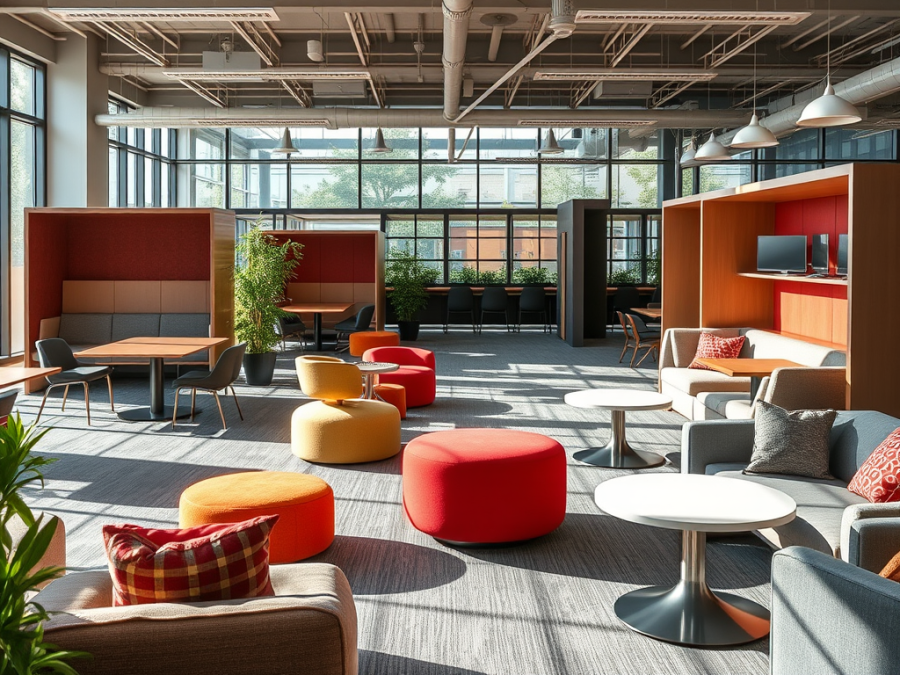
In the evolving landscape of workplace design, breakout office furniture is no longer a trend—it’s becoming a fundamental part of how offices are built and used. As companies adapt to hybrid working models and greater emphasis is placed on employee well-being and collaboration, the demand for flexible, informal spaces is on the rise. Breakout areas, furnished with versatile, comfortable elements, are at the heart of this transformation.
What Is Breakout Office Furniture?
Breakout office furniture refers to the pieces specifically designed for informal, flexible workspaces within an office. These areas serve as multipurpose zones where employees can relax, have casual meetings, brainstorm, or simply take a break from their desks. Unlike traditional office furniture, breakout pieces often prioritize comfort, modularity, and aesthetics to foster a more dynamic and inviting environment.
This type of furniture might include:
- Soft seating such as sofas, poufs, and armchairs
- Modular seating arrangements
- Collaborative tables and benches
- Acoustic pods or booths
- Coffee tables and small side tables
- Lightweight elements that can be easily rearranged
The goal is to create a space that feels less rigid and more conducive to spontaneous collaboration and relaxation.
Why Breakout Spaces Matter in Today’s Offices
The traditional office layout—rows of desks and formal meeting rooms—is no longer seen as the most productive setup. In modern workplaces, variety and choice are critical to employee satisfaction. Breakout spaces provide a much-needed alternative to the structured desk environment. They allow for mobility, choice, and different types of interaction.
Employees who have access to informal workspaces often report higher levels of creativity and job satisfaction. These spaces can also reduce stress and burnout, acting as a buffer between intense work sessions. Moreover, they support the diversity of work styles in a team by offering different zones for different needs.
Designing Breakout Spaces with Purpose
Creating a successful breakout space requires more than just adding a few couches to a corner. It requires thoughtful planning that takes into account the organization’s culture, the available space, and how teams function best. The furniture should be functional, adaptable, and inviting.
Consider these factors when designing a breakout area:
- Flexibility: Furniture should be easily movable to accommodate different group sizes and purposes.
- Comfort: Seating should be ergonomic and supportive without feeling too formal.
- Zoning: Use furniture and layout to define separate areas for collaboration, focus, and rest.
- Acoustics: Soft materials and acoustic panels can help manage noise levels.
- Technology: Charging points and portable tech accessories enhance the usability of the space.
The Productivity Connection
While breakout areas are often associated with relaxation, they are also powerful tools for boosting productivity. Stepping away from the desk can help refresh focus and encourage new ideas. Informal meeting spots can lead to quicker problem-solving and more organic collaboration, reducing the need for scheduled meetings.
According to recent research, well-designed breakout areas can increase team collaboration and reduce workplace fatigue. In fact, companies investing in thoughtful office design, including breakout furniture, often see improved employee retention and morale.
Sustainability and Aesthetics in Furniture Selection
Another growing consideration is the environmental impact of office furniture. Many companies are opting for sustainable materials, recycled elements, or locally produced items to align with eco-conscious values. At the same time, the aesthetic appeal of breakout furniture can enhance the overall look and feel of the workplace, contributing to a strong company culture and first impressions for visitors.
Conclusion
Breakout office furniture plays a vital role in shaping modern work environments. It’s not just about comfort—it’s about enabling flexibility, enhancing collaboration, and supporting employee well-being. As office spaces continue to evolve, incorporating versatile and thoughtful furniture choices will be key to creating workspaces that truly work for people.
To explore more about the transformative impact of modern breakout office furniture on today’s workspaces, visit: https://www.bestagencies.co.uk/modern-breakout-office-furniture-transforming-workspaces-for-enhanced-productivity/

 Furniturea